
Counselling Approaches
Your path to healing and growth is unique to you. That’s why I take an integrated and collaborative approach, meaning we work together to build a personalized plan that draws from a range of powerful, evidence-based therapies.
Below are some of the core, proven counselling approaches, which can be incorporated to achieve your goals.
Cognitive Behavioural Therapy (CBT)

Is your thinking working for you, or against you?
Cognitive Behavioural Therapy (CBT) is a practical, goal-oriented and evidence-based approach focused on equipping you with tools and strategic skills to take control over daily challenges. The foundation is simple but powerful: By systematically identifying and changing unhelpful patterns in your thinking, you can directly change how you feel and what you choose to do.
If you feel caught in a cycle of worry, stress or low mood, CBT helps you step back and see the thought patterns that are fueling those feelings. We'll work together to build a personalized plan to identify and challenge the negative thoughts that can lead to repetitive self-blame, burnout at work or paralyzing anxiety. CBT is an active, collaborative therapy where you'll learn strategic skills to regain control over your mindset and build resilience.
Learning CBT skills can help you:
Shift negative thinking patterns that fuel low moods or depression.
Build practical skills to break free from cycles of anxiety.
Challenge and overcome perfectionism or self-criticism.
Develop a personalized toolkit of coping strategies for daily life.
Dialectical Behaviour Therapy (DBT)
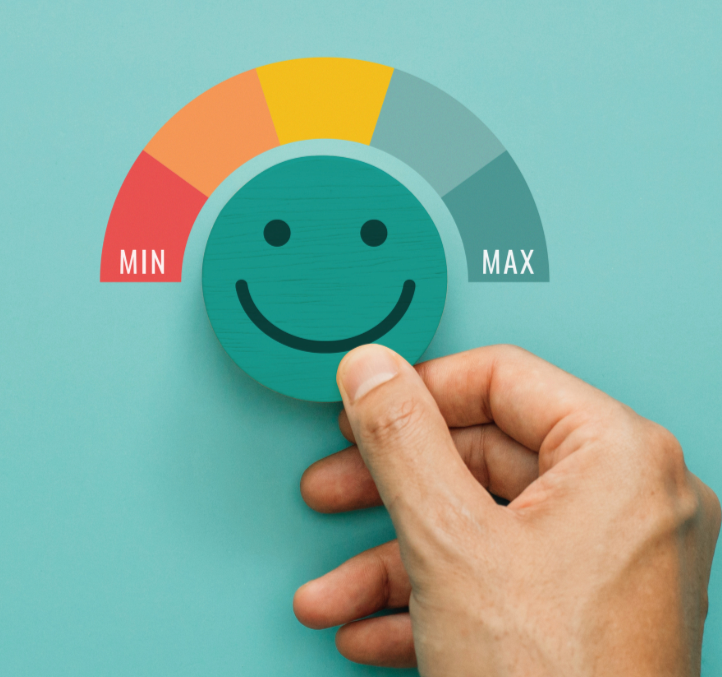
Are you getting tired of your mood dictating your life?
Dialectical Behaviour Therapy (DBT) is designed specifically for those who experience emotions more intensely than others. If you find yourself on an emotional rollercoaster, struggling with chaotic relationships or feeling overwhelmed to the point of crisis, DBT offers real, tangible skills to find balance and build a life that feels more stable and meaningful.
DBT centres on finding the balance between acceptance (learning to validate and accept yourself as you are) and change (taking active steps to create the life you want). It provides a concrete skill set in four key areas:
Mindfulness: 🧘♀️ Getting grounded in the present moment instead of being swept away by overwhelming emotions, past regrets or future worries.
Distress Tolerance: Learning strategies to survive crisis moments without making them worse.
Emotion Regulation: Understanding your emotional triggers and learning practical skills to turn down the volume on overwhelming feelings.
Interpersonal Effectiveness: 🤝 Communicating your needs clearly, setting boundaries and navigating conflict in a way that protects your relationships and your self-respect.
DBT skills can be transformative if you struggle with:
Intense mood swings.
Explosive reactions that feel out of proportion.
Difficulties in maintaining meaningful relationship.
Being told you're "too sensitive" or "too intense."
Recurring cycles of intense emotions followed by numbness.
Eye Movement Desensitization and Reprocessing (EMDR)
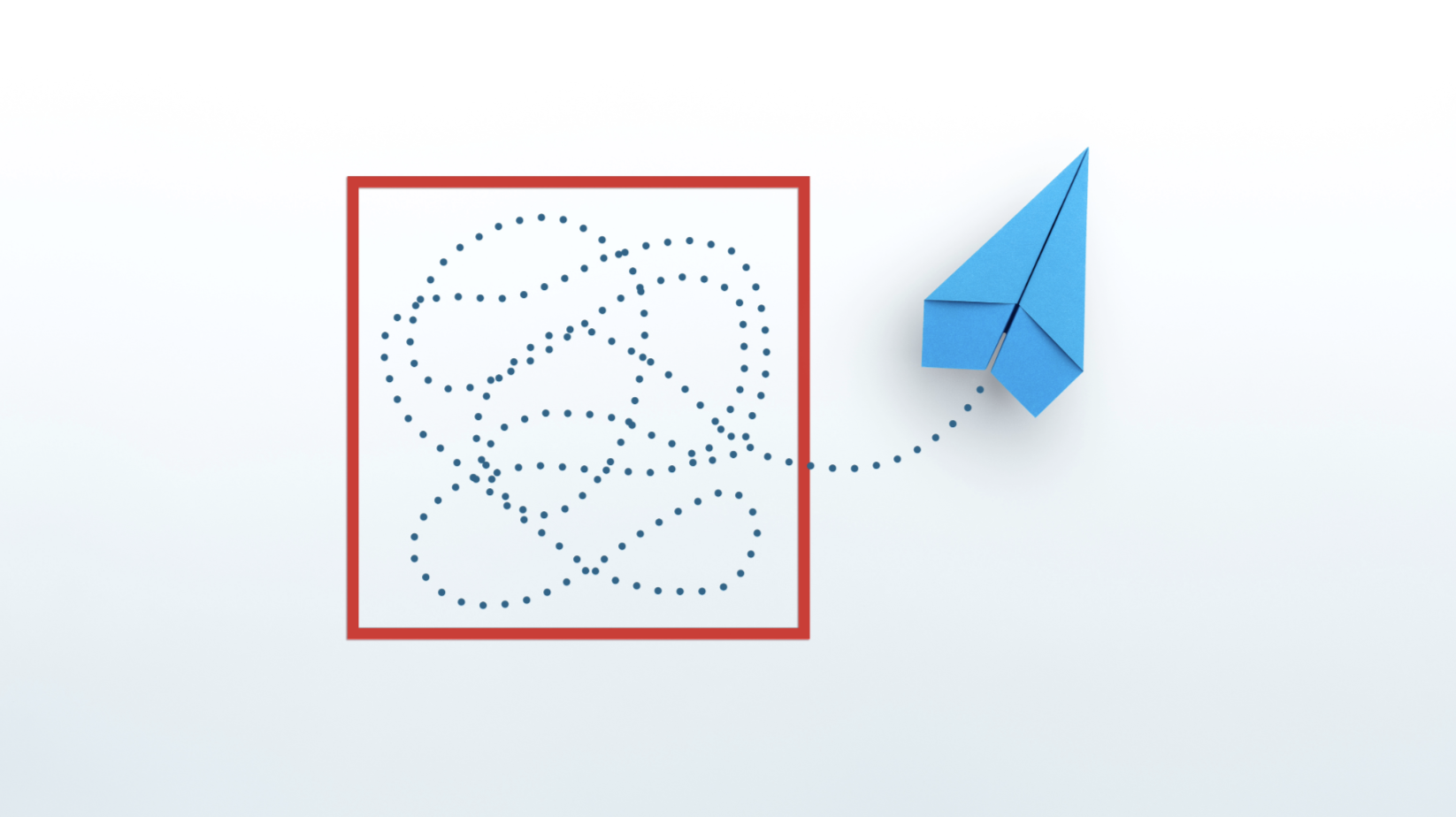
Process the past so you can be present for your future.
Do you ever feel like a past event is still controlling you? A traumatic memory, a major loss or a deeply distressing experience can get "stuck" in the brain, causing you to re-experience the same fear, anxiety and physical sensations as if it were still happening.
Eye Movement Desensitization and Reprocessing (EMDR) is a highly effective, evidence-based therapy that helps your brain properly process these stuck memories. Using a structured process that includes bilateral stimulation (like guided eye movements), EMDR helps the memory move from the "raw and emotional" part of your brain to the "story and memory" part. The goal is not to forget what happened, but to remove the intense emotional charge connected to it. You’ll find that the memory becomes just that—a memory—without the power to hijack your emotions and reactions in the present.
EMDR is a powerful tool for healing from:
Post-Traumatic Stress Disorder (PTSD).
Childhood trauma or neglect.
Single-incident traumas (e.g., car accidents, assault, medical trauma).
Anxiety, phobias or grief rooted in a specific distressing event.